
Light That Endures
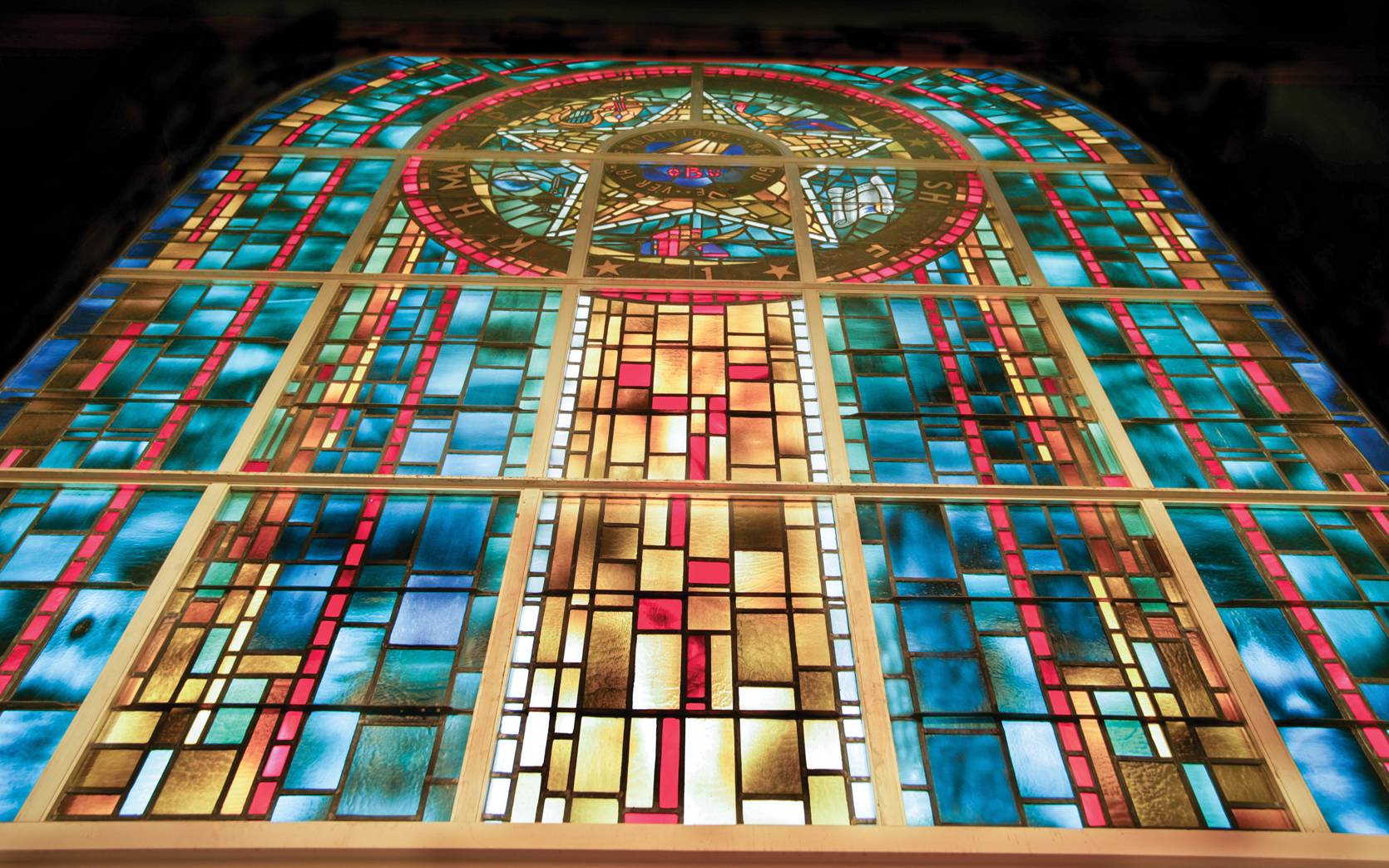
Few features of Raley Chapel capture its soul more completely than its stained-glass windows.
For more than sixty years, their vivid colors and carefully crafted imagery have reflected OBU’s commitment to Christian faith, academic excellence and Kingdom service. Today, those beloved windows are undergoing one of the most detailed preservation efforts in university history.
When an EF2 tornado tore across OBU on April 19, 2023, it left widespread damage across Bison Hill, including Raley Chapel. Yet the stained-glass windows remained remarkably intact. While the building around them was impacted, they continued to tell their story through light and color.
In the hands of artisans at Willet Stained Glass Studios in Winona, Minnesota, each pane is being dismantled piece by piece, cleaned, strengthened and rebuilt so the windows can carry their message of faith, learning and perseverance for generations to come.
For alumni who walked into Raley Chapel as freshmen during Welcome Week, worshiped there and crossed its stage at commencement, the restoration represents far more than construction. It is the renewal of one of the spiritual and emotional centers of OBU.
“Raley Chapel’s history is not just a chronicle of events, but a narrative of faith, perseverance, and the unyielding commitment of a university to its spiritual and cultural mission,” OBU President Dr. Heath A. Thomas said. “It continues to be a cherished landmark, echoing the values that have defined OBU for generations. The revitalization of this chapel can be symbolic of OBU’s vibrant future.”
A Dream Takes Shape
For more than 60 years, the 200-foot spire of Raley Chapel has risen above Shawnee as a symbol of the university’s mission. Dedicated in 1962 and named for longtime OBU President Dr. John Wesley Raley, the chapel became the physical expression of a dream Raley carried from the beginning of his presidency in 1934.
“The building must be more than steel and stone,” Raley told messengers to the Baptist General Convention of Oklahoma in 1944. “It must, in fact, be a part of each one of us. The spire of our faith, a faith which in this physical expression we would ever keep before our youth.”
That dream moved closer to reality on Feb. 20, 1959, when trustees, students, pastors and townspeople gathered in bitter cold with gold shovels tied in green and gold ribbon to break ground. Three years later, the doors opened to one of the defining landmarks in Oklahoma Baptist life.
Through the years, Raley Chapel hosted worship services, concerts, lectures, commencements and performances by artists including Marilyn Horne, Peter Nero, Jimmy Webb and John Denver. Thousands of students experienced “The Walk” to the chapel as freshmen before returning for graduation beneath its towering ceilings.
Windows That Teach
Designed by artist Ruth Dunn in collaboration with Dr. and Mrs. Raley, the eleven windows stretch across the chapel walls as a visual testimony to faith, education, history and human achievement. They do not simply decorate the building. They teach.
One window traces Oklahoma history through Coronado, La Salle, the Trail of Tears, land runs and Will Rogers. Another celebrates worship through imagery inspired by Psalm 150. Others explore literature, theology, science, medicine, world missions, Baptist history, business, government, music and fine arts.
Each window invites closer inspection. A pink rosebud hidden inside a treble clef honors Helen Thames Raley. A small black doctor’s bag recognizes Dr. George S. Baxter.
Together, the windows form a theological and educational mosaic that mirrors the university’s mission and identity. Another features the OBU seal with an open Bible at its center, surrounded by symbols representing the university’s academic divisions and the motto Veritas Eruditione Religioneque (“Truth through learning and religion”).
Now, every section is being painstakingly restored.
Preserving a Legacy
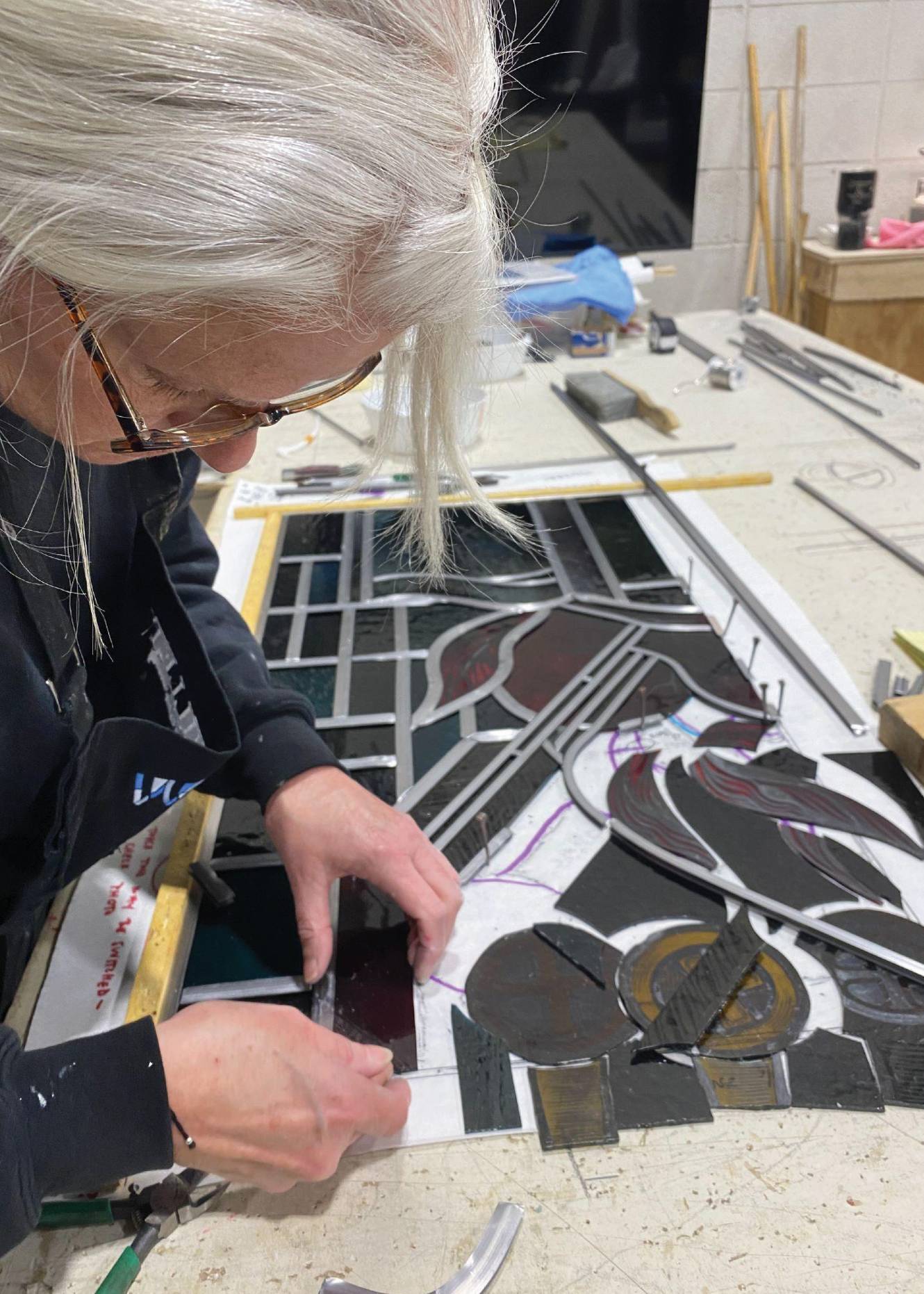
At Willet Stained Glass Studios, a company whose roots stretch back to the 19th century, each window panel is removed for inspection and photography. Specialists create detailed “rubbings,” precise templates documenting original lead sizes and glass placement before the panels are disassembled.
Every piece of glass is cleaned by hand. Each section is examined for stress, deterioration or previous repair work. New lead came strips are selected to match the historic profiles exactly. Panels are then reassembled, soldered, puttied for weatherproofing and reinforced with steel bracing before final inspection and crating for return to Shawnee.
The work is slow because it must be.
Not every panel moves through the studio at the same time. Some remain in pre-production while others are already being glazed or prepared for shipment.
The process reflects the philosophy that has guided Willet’s work for generations: preservation without compromise.
That mission aligns closely with the broader restoration of Raley Chapel through OBU’s Shape the Future campaign.
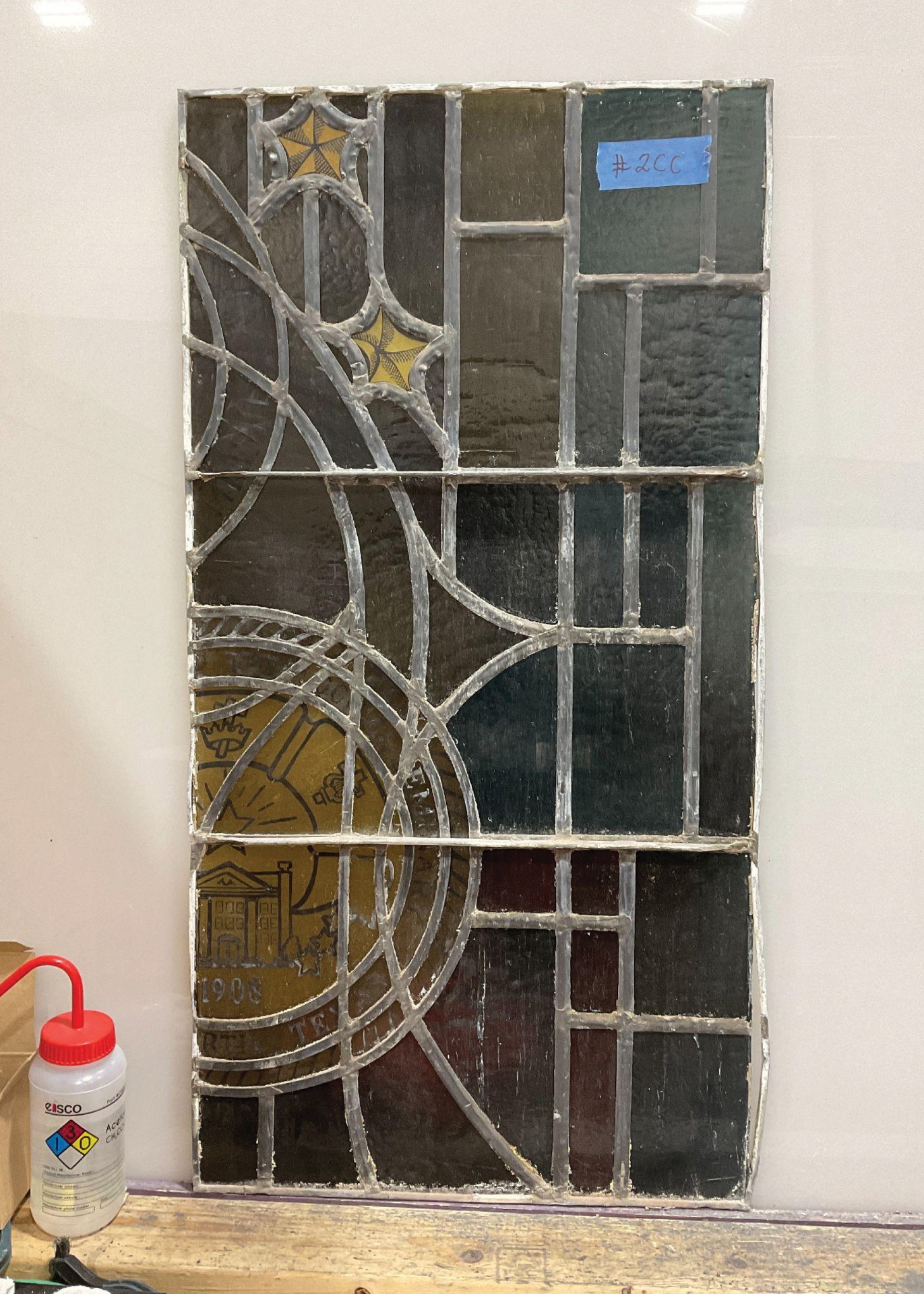
BEFORE
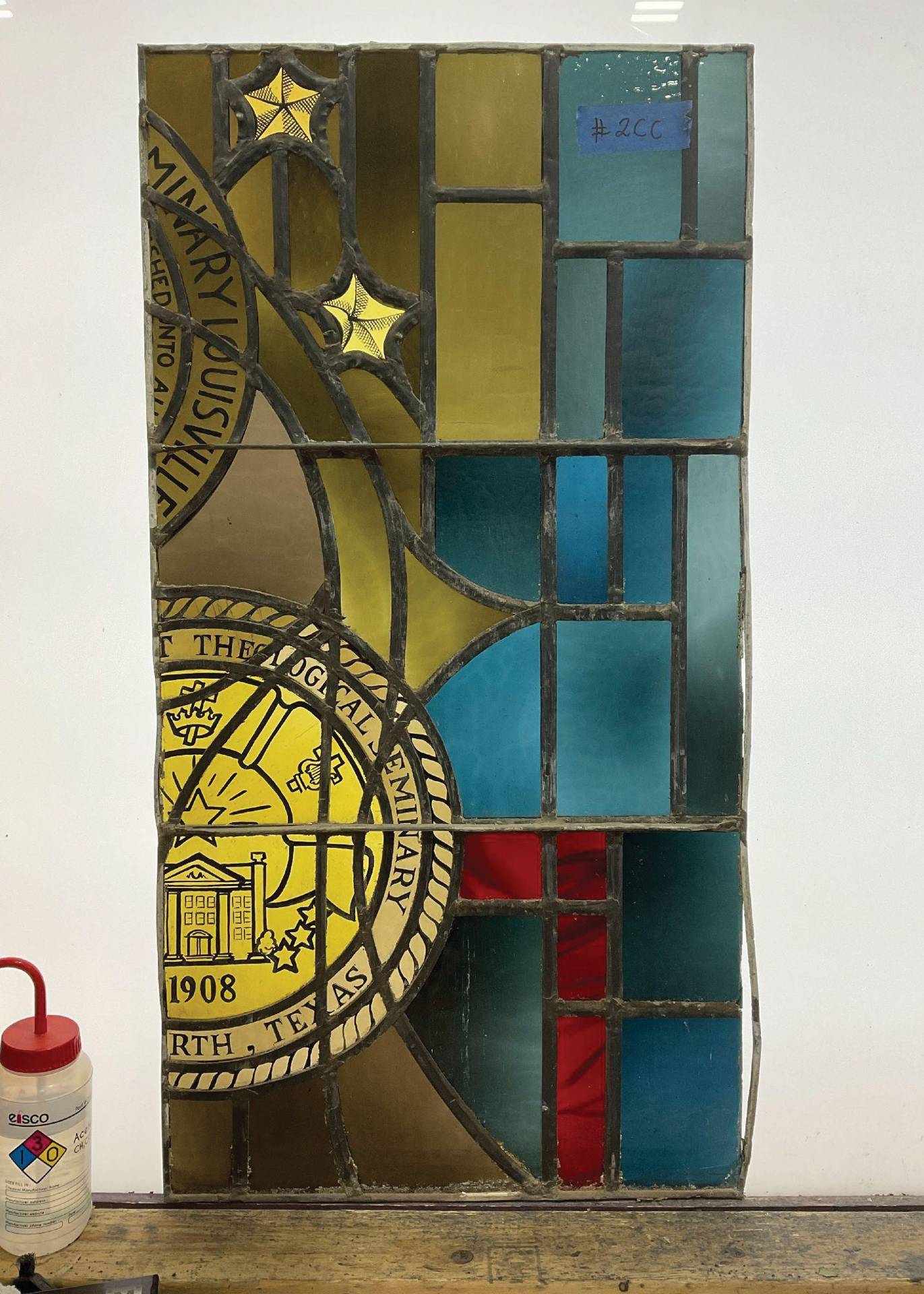
AFTER
From glass dulled by time, to the careful work of the artist’s hands, to color restored in full light, these images trace the enduring life of Raley Chapel’s stained glass
Shining Into the Future
Though the tornado left the chapel standing, the damage forced the longest closure in the building’s history. The restoration now underway seeks not merely to repair what was damaged but to prepare the chapel for decades of ministry, worship and learning.
The stained glass restoration stands among the campaign’s most meaningful priorities because the windows embody the heart of what Raley envisioned.
In morning sunlight, colors spill across chapel walls as they did in 1962. Freshmen still pause beneath the soaring ceilings. Graduates still gather beside the windows before stepping into their futures.
And within every panel is the testimony of endurance. The tornado came. The chapel suffered. The windows held.
Now they are being restored with the same care and conviction that guided their creation more than sixty years ago.
Raley once envisioned a chapel that would stand as “the spire of our faith.” Today, as craftsmen rebuild each panel, that enduring vision still shines through the glass.